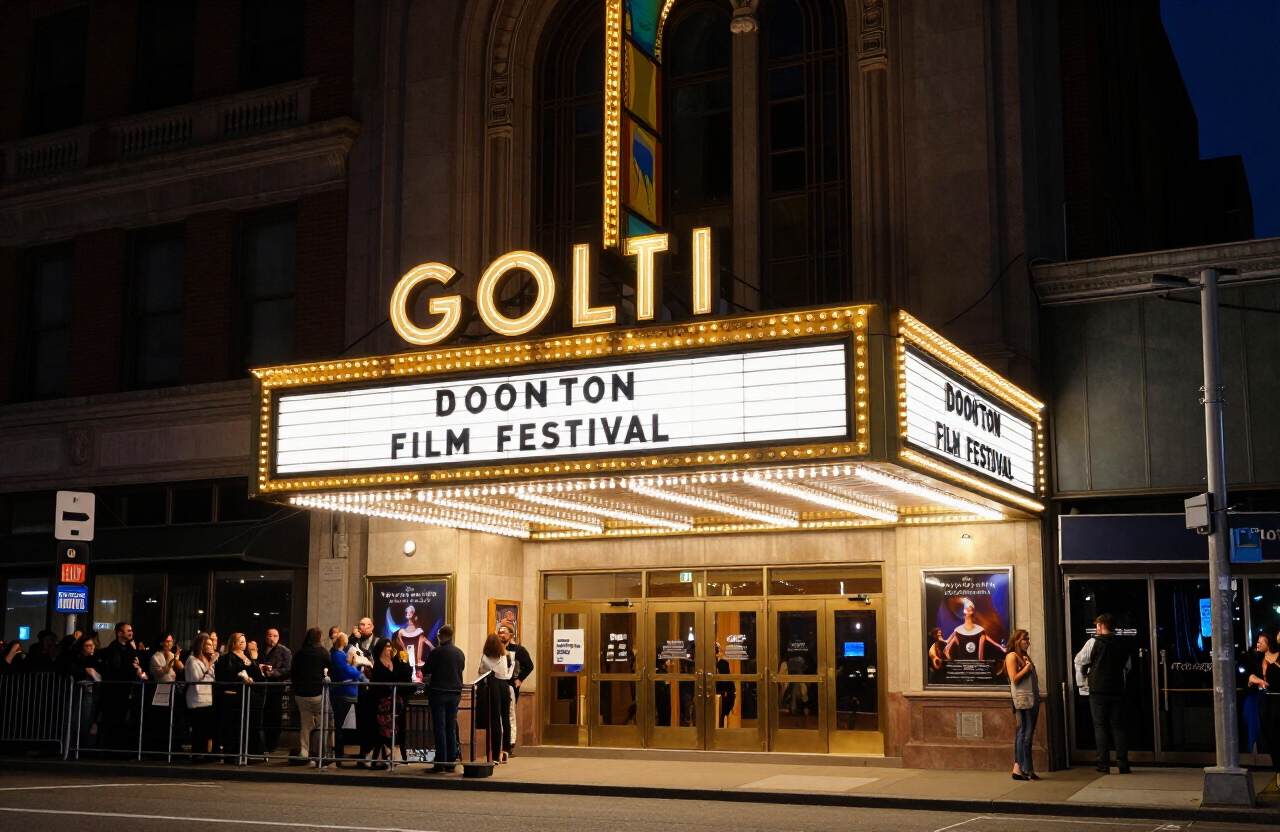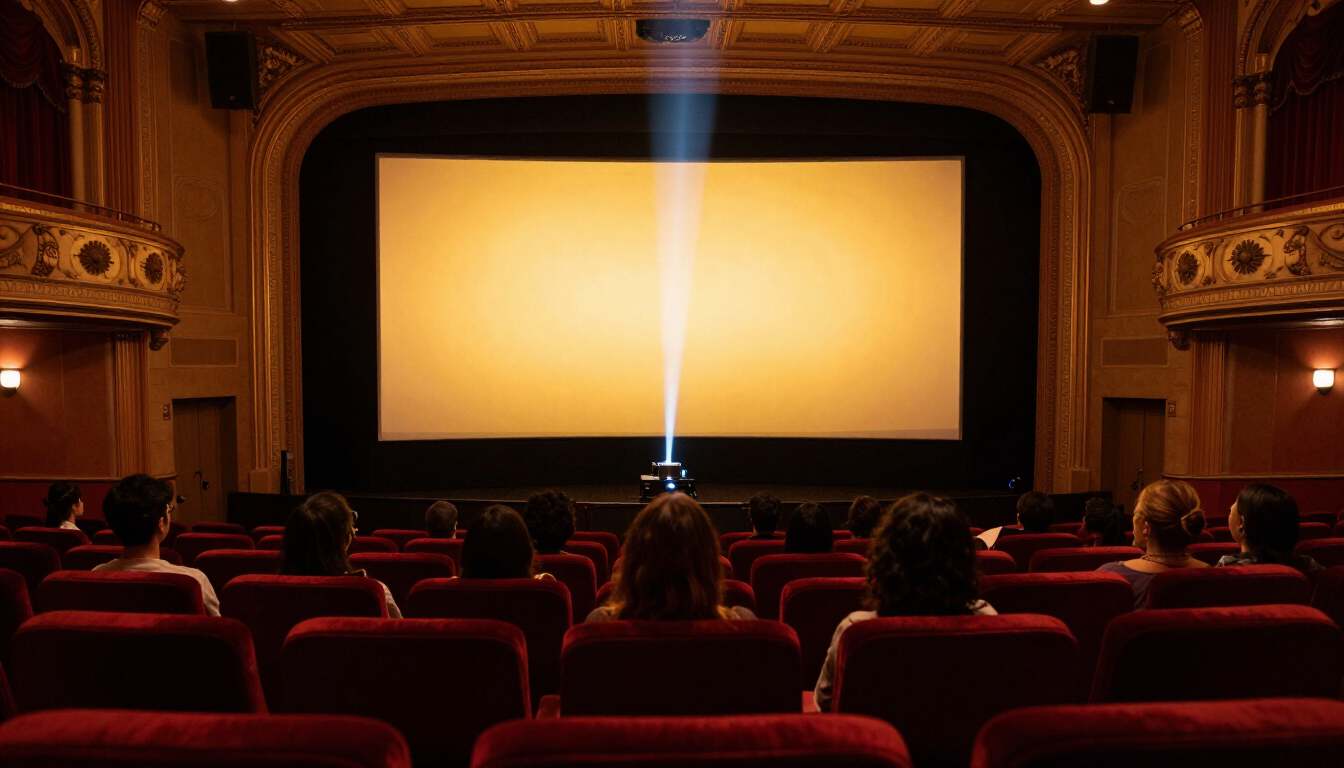
For the better part of a decade, the story of the movie theater was written as an obituary. Streaming was ascendant, attention spans were shrinking, and the multiplex was supposedly a relic of a pre-pandemic world. Yet something unexpected has happened over the past year: audiences came back — not out of nostalgia, but out of appetite.
The turnaround isn't built on one franchise or one lucky summer. It's the result of a broader shift in how studios program, how theaters present, and how audiences decide what deserves a night out.
Event cinema, redefined
The films drawing the biggest crowds are no longer just sequels and capes. Original stories with strong word of mouth are legging out week after week, and mid-budget dramas — the category most often declared dead — are finding patient audiences willing to see them on the big screen first.
Exhibitors have done their part. Premium formats, better food, reserved seating and genuinely comfortable rooms have reframed the theater as a destination rather than a default. When the experience feels considered, the ticket price stops being the story.
Audiences never fell out of love with the movies. They fell out of love with being taken for granted.
What happens next
The real test arrives this fall, when awards contenders and holiday tentpoles compete for the same screens. If the current momentum holds, the industry may finally stop asking whether theaters survive — and start asking what they can become.
For now, the comeback is real, and it's being written one sold-out Friday night at a time.
Written by
Maya Chen
Maya has covered film and the business of Hollywood for over a decade, from festival premieres to box office analytics.